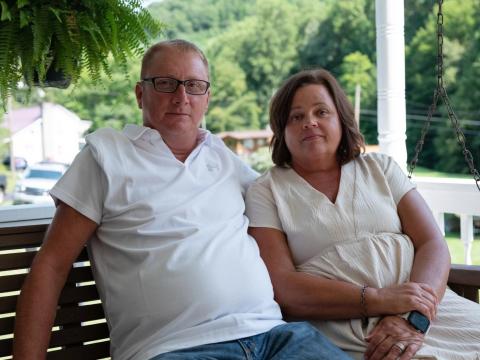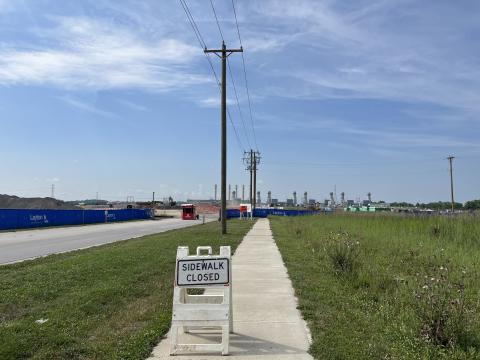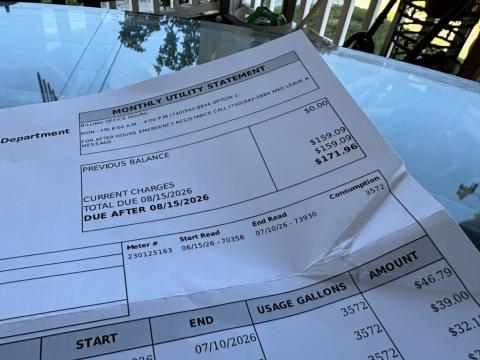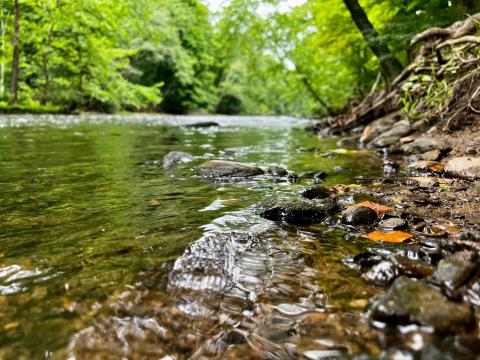

Research projects look at health of humans and dogs in East Palestine, 3 years after train derailment
This story was originally published on Jan. 28, 2026 by the Allegheny Front.
Ohio is receiving more than $200 million from the Centers for Medicare and Medicaid as part of a newly created federal program to strengthen health care in rural communities.
On a calm November day on Lake Erie, the air wasn't filled with the sounds of squawking seabirds or even passing boats.
Rather, a dump truck rumbled down a rocky bank, depositing its load into the shallow water.
Ohioans who rely on SNAP benefits, also known as food stamps, pay for groceries with cards that are lacking a vital protection against cybercrime: a chip.
Yarenci Hernandez's abuse started the night she met her father. Born in Mexico City, she lived with neighbors until, when she was about seven or eight, her father came to take her to Columbus, Ohio.
"Even from the moment that I met him – because that was really the first time I had met him – I can remember the uncomfortable feeling I felt," said Hernandez.
Across the country, children and teenagers are being strip searched by school administrators and staff, who are often looking for vape pens or other minor contraband.
Community members in Steubenville are working together to help unhoused people, after the eastern Ohio city's homeless shelters closed.
Urban Mission Ministries shuttered both its emergency shelter and one for women and children in October, citing financial strain.
Now, three months later, the community has yet to find a long-term solution to shelter people in need.
In 1978, residents in the small community of Winameg in rural northwest Ohio discovered several bones of a mammal dating back to the Ice Age: a mastodon.
Bowling Green State University studied the mastadon skeleton, then sent it to the University of Michigan Museum of Paleontology collection, where much of it still resides today.
But not every bone made it out of Fulton County.
Last July, a short notice appeared in the back of the Marietta Times.
When the Ohio Department of Natural Resources issued permits to construct two injection wells, to store waste from oil and gas drilling, within two miles of the city of Marietta's aquifers, residents in the area grew concerned.